How to Start Trading and Choose the Best Approach for Beginners in 2026
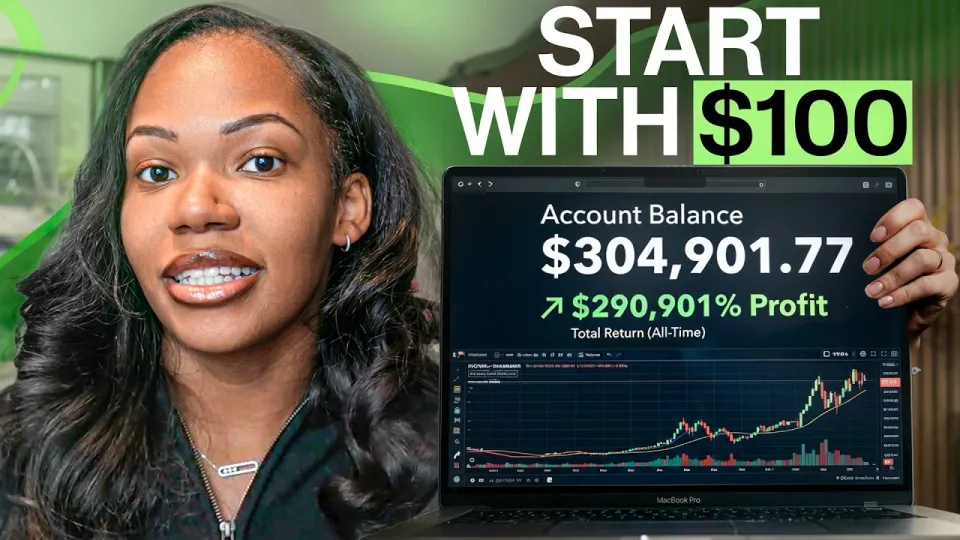
Video: How To Start Trading As A Beginner In 2026 (Step-by-Step)
You can order the same kind of articles for your own video to boost it on YouTube and Google. Just message the Telegram bot @sat_sit_bot. Articles with your video embedded are written and posted by the bot itself — on popular topical sites (no ads). Free trial — 50 articles.
Key takeaways
- Start trading with $300–$2,000 recommended capital
- Paper trading is essential before risking real money
- Understand calls and puts to trade options effectively
- Use Webull for brokerage and TradingView for charting
- Master 3 core trading concepts: market structure, psychology, and risk management
Trading is the process of buying and selling financial instruments such as stocks, options, or futures to profit from market fluctuations. Starting trading as a beginner in 2026 requires clear understanding, the right tools, and disciplined practice. You do not need a large amount of money or a finance degree to begin. Instead, focus on building foundational knowledge and practicing with small amounts or paper trading first. For those interested, joining a community like Crystal Academy's Discord can provide mentorship and support.
What Trading Actually Is and What It Is Not
Trading involves speculating on price movements of assets to generate profits. It is not a get-rich-quick scheme or gambling. Successful trading depends on education, strategy, and risk management. Unlike investing, which focuses on long-term growth, trading often involves shorter time frames such as day trading or swing trading. Understanding that losses are part of the process is critical to maintaining discipline and persistence.
Understanding Options: Calls vs Puts and Options vs Futures
Options are contracts that give you the right to buy (call) or sell (put) an asset at a set price before a certain date. Calls are bets that the price will go up, puts that it will go down. Futures are agreements to buy or sell assets at a future date and price, generally used by traders who want to lock in prices or speculate.
Choosing between options and futures depends on your schedule and risk tolerance. Options offer more flexibility and limited risk (the premium paid), while futures can have higher risk due to obligations to buy or sell at contract expiration.
Recommended Platforms and Tools for Beginners
Using the right broker and charting platform is crucial. Webull is recommended for beginners due to its user-friendly interface, free stock offers, and low fees. TradingView is an excellent charting platform for analyzing market trends with customizable candlestick charts and indicators.
Start by paper trading (simulated trading) on these platforms to hone your skills without risking real money. This step helps build confidence and test strategies.
The Three Core Concepts Every Beginner Must Master
- Market Structure: Learn how price moves in trends, support and resistance levels, and volume patterns.
- Trading Psychology: Manage emotions like fear and greed to avoid impulsive decisions.
- Risk Management: Always control how much capital you risk per trade to protect your account from large losses.
These concepts form the foundation of consistent trading success.
Common Challenges Beginners Face and How to Overcome Them
Many beginners quit within the first two months due to losses, frustration, or unrealistic expectations. Common pitfalls include overtrading, ignoring risk limits, or reacting to every market move. Patience and discipline are key.
Start with small amounts ($300 to $2,000 as suggested) and focus on learning. Avoid chasing quick wins or high-risk strategies. Use paper trading to simulate real scenarios and only move to real money when consistently profitable on paper.
Real Experiences and Advice from the Trading Community
New traders often struggle with reading charts and understanding strategies, sometimes losing money repeatedly. However, those who persist and invest time in learning can build profitable routines. Many emphasize the importance of mentorship and community support to stay motivated.
Trading success is a gradual process involving continuous learning, adapting to market conditions, and developing a personalized approach.
Useful Links
- Join Crystal Academy Discord for mentorship and community support: https://whop.com/c/crystal-academy/youtube
- Webull broker sign-up with free stocks: https://www.webull.com/k/SierraUSA
- Sierra Aaliyah's Instagram: https://www.instagram.com/sierra.aaliyah/
- Sierra Aaliyah's TikTok: https://www.tiktok.com/@sierraxliyah
Final Thoughts
Starting trading as a beginner requires education, practice, and realistic expectations. Following a step-by-step approach focusing on understanding trading basics, using the right tools like Webull and TradingView, and mastering market structure, psychology, and risk management can set you on the path to success. Remember to paper trade before investing real money and seek supportive communities such as Sierra Aaliyah's Crystal Academy. Trading is not for overnight riches but for those willing to learn and grow steadily.
For more guidance and to join a supportive trading community, visit Crystal Academy's Discord.
Source: How To Start Trading As A Beginner In 2026 (Step-by-Step) · Markdown version
Questions & answers
Do I need a large amount of money to start trading?
No, you do not need a large sum. Starting with $300 to $2,000 is recommended for beginners to manage risk effectively.
What is paper trading and why is it important?
Paper trading simulates real trading without risking actual money. It helps beginners practice strategies, build confidence, and understand market dynamics before trading live.
What are calls and puts in options trading?
Calls give the right to buy an asset at a set price, betting the price will rise. Puts give the right to sell an asset at a set price, betting the price will fall. They are basic building blocks of options trading.
Why do many beginners quit trading early?
Many beginners quit due to losses, frustration, and unrealistic expectations. Lack of discipline, poor risk management, and overtrading contribute to early failure. Persistence and learning are essential for success.